
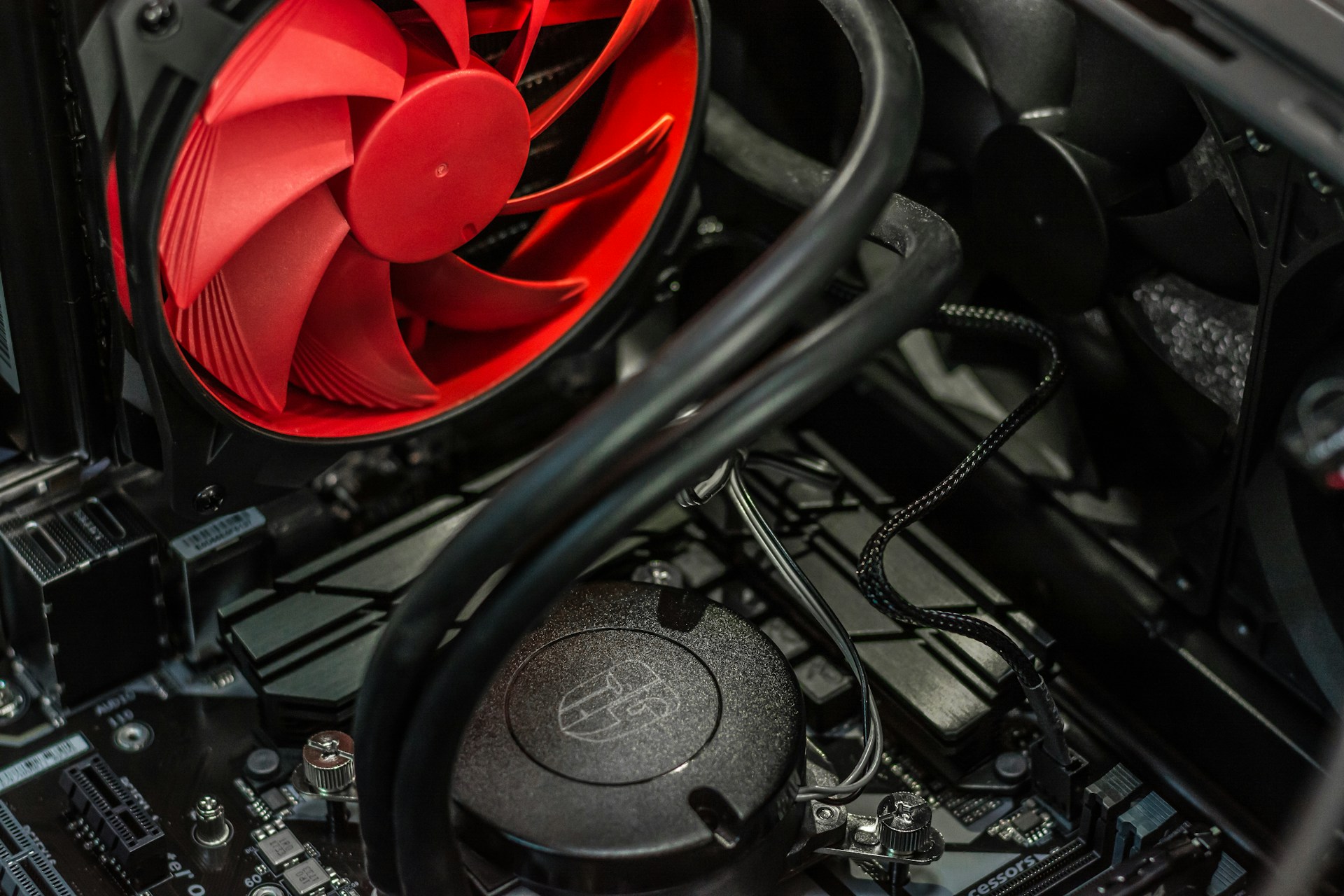
As technology becomes faster, smaller, and more powerful, managing heat has turned into one of the biggest engineering challenges across industries. Traditional cooling fans have served electronics for decades, but they are no longer enough for today’s high-performance devices, electric vehicles, data centers, and industrial systems. Modern machines generate more heat in compact spaces, making efficient thermal management essential for reliability, performance, and energy efficiency. The future of thermal management is shifting toward intelligent systems that can actively monitor temperatures, adapt to changing conditions, and optimize heat dissipation in real time. These advanced technologies are helping industries move beyond noisy, energy-hungry fans toward smarter and more sustainable cooling solutions.
Why Traditional Cooling Methods Are Reaching Their Limits
 Cooling fans and basic heat sinks have long been the standard for preventing electronic devices from overheating. While they still play an important role, these systems struggle to keep up with the demands of advanced processors, AI hardware, and compact consumer electronics. Smaller devices leave less room for airflow, while increased processing power creates concentrated heat that traditional methods cannot always handle efficiently. Manufacturers are now exploring advanced materials and thermal technologies to improve performance. HALA Heat Pipes are used by engineers to transfer heat more effectively within compact environments. These systems offer improved thermal conductivity while reducing the need for bulky mechanical cooling components.
Advanced Materials Changing the Industry
New materials are also transforming the future of cooling technology. Graphene, vapor chambers, phase-change materials, and liquid cooling systems are opening new possibilities for heat dissipation. These materials are designed to transfer heat rapidly and evenly, helping sensitive electronics maintain optimal temperatures even during heavy use. The automotive industry has become a major driver of innovation in this area. Electric vehicles generate significant heat from batteries and power electronics, making efficient thermal regulation critical for safety and performance. Advanced cooling materials not only improve reliability but also help extend battery lifespan and charging efficiency.
The Rise of Intelligent Thermal Monitoring

One of the most important developments in thermal management is the integration of intelligent monitoring systems. Modern cooling solutions can now use sensors, software, and machine learning to track temperature fluctuations in real time. Instead of running continuously at full power, these systems adapt dynamically based on workload and environmental conditions. This smart approach helps reduce energy consumption while maintaining stable operating temperatures. In data centers, for example, intelligent thermal management can significantly lower cooling costs by distributing airflow more efficiently and identifying hot spots before they become serious problems. As AI and automation continue to evolve, thermal systems are becoming increasingly predictive rather than reactive.
Sustainability and Energy Efficiency in Cooling
Energy efficiency has become a major priority in thermal management design. Traditional cooling systems can consume large amounts of electricity, especially in industrial environments and large-scale computing facilities. Intelligent cooling solutions help reduce unnecessary energy use by adjusting performance automatically based on demand. Sustainable cooling technology is especially important as global energy consumption continues to rise. Companies are under pressure to reduce emissions and improve operational efficiency, making smarter thermal management a valuable investment. Innovations such as liquid immersion cooling and passive heat transfer systems are helping organizations lower their environmental impact without sacrificing performance.
The Impact on Consumer Technology

Consumers may not always notice thermal management systems, but they play a major role in the everyday performance of smartphones, laptops, gaming consoles, and wearable devices. Overheating can reduce speed, shorten battery life, and damage internal components over time. Intelligent cooling systems help devices stay efficient while supporting increasingly demanding applications. As devices become thinner and more compact, silent, low-profile cooling technologies are becoming increasingly desirable. Future consumer electronics are expected to rely more heavily on passive cooling systems and advanced thermal materials that operate efficiently without large moving parts or excessive noise.
The future of thermal management is moving far beyond traditional cooling fans. Intelligent systems, advanced materials, and adaptive technologies are redefining how industries control heat in increasingly powerful devices and machines. From electric vehicles to AI-powered data centers, efficient thermal regulation has become essential for performance, sustainability, and long-term reliability.…