
For decades, travel was defined by famous landmarks. The Eiffel Tower, the Colosseum, and Times Square were must-see stops on almost every itinerary. But something is changing. Increasingly, travelers are skipping the big-name attractions and heading instead toward small, lesser-known towns that rarely appear on traditional travel lists. This shift isn’t about avoiding iconic places entirely, but about wanting something different from the modern travel experience. Crowds, long queues, inflated prices, and over-commercialization have made many famous destinations feel less personal. In response, travelers are searching for places that feel slower, quieter, and more authentic.
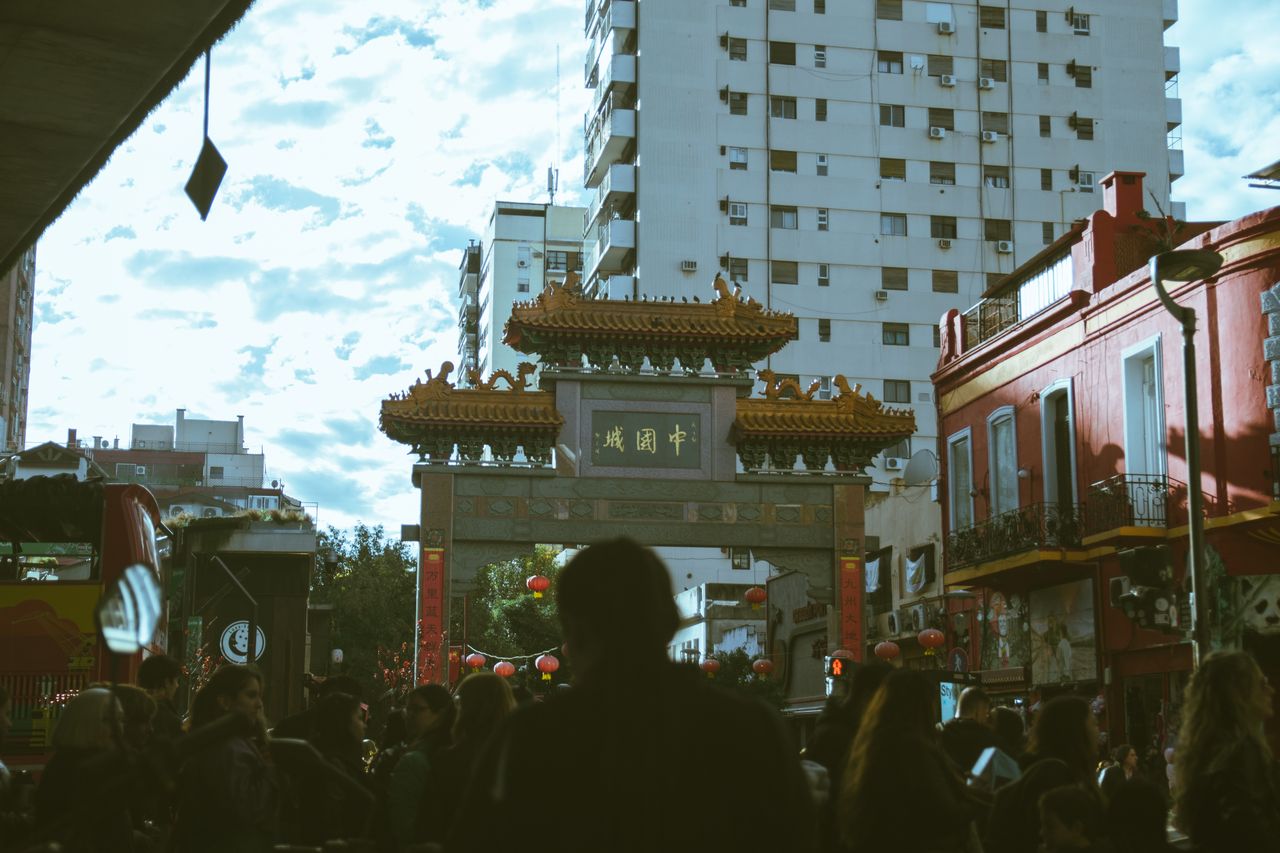
The Internet Made Famous Places Too Crowded
Social media and travel blogs have made it easier than ever to discover the world’s most beautiful landmarks. The problem is that everyone else discovered them too. What once felt like hidden gems are now global hotspots filled with tourists taking the same photos from the same angles. Many travelers exploring alternative travel narratives often describe a similar frustration: the experience of visiting a famous landmark no longer matches the feeling they expected. Instead of wonder and space, they find crowds and queues. This has pushed people to look beyond the obvious choices.
Tiny Towns Offer Something More Personal
Small towns provide something big cities and famous landmarks often struggle to deliver: a sense of connection. In smaller destinations, visitors are more likely to interact with locals, explore at a slower pace, and feel part of everyday life rather than just passing through. There’s also more room for spontaneity. Instead of following strict sightseeing routes, travelers can wander without pressure. A quiet street café or a local market often becomes more memorable than any major monument.
Over-Tourism Is Changing Travel Behavior
Over-tourism has become a major problem in many of the world’s most iconic places. Cities like Venice, Barcelona, and parts of Paris have struggled with overcrowding, rising prices, and strain on local infrastructure. This has not only affected residents but also changed the visitor experience itself. As a result, many travelers are intentionally avoiding places that feel overwhelmed by tourism. Instead, they’re choosing destinations where tourism is still developing or where visitors are few enough to explore comfortably. This shift is helping spread tourism more evenly and reduce pressure on overvisited areas.
Slow Travel Is Replacing Checklist Tourism
The traditional style of travel often involved rushing between famous attractions to “see everything.” But that approach is losing popularity. Travelers are realizing that ticking off landmarks doesn’t always create lasting memories. Slow travel encourages spending more time in fewer places. In small towns, this approach works naturally. Instead of rushing, travelers might stay longer, get to know the area, and experience daily rhythms rather than just highlights. This slower pace creates a deeper emotional connection to the destination.

Social Media Fatigue Is Real
For years, travel decisions were heavily influenced by Instagram and TikTok. Certain landmarks became famous not because of personal experience but because of viral images. Now, many travelers are becoming more aware of how repetitive those images feel. People are starting to question whether visiting a place just for a photo is meaningful anymore. Tiny towns offer something social media cannot fully capture: unpredictability. Not every moment is designed to be shared online, which often makes the experience feel more genuine and less performative.
Hidden Destinations Feel More Authentic
One of the strongest reasons people are drawn to unknown towns is the feeling of authenticity. While famous landmarks are often built around tourism, smaller towns still function primarily for residents. That means visitors see everyday life rather than a curated version. Local traditions, regional food, and community events feel more accessible in these environments. Travelers often describe these experiences as more memorable because they feel less staged and more real. Even simple moments, like watching daily routines unfold, can become highlights of the trip.

The Desire for Unique Experiences Is Growing
Modern travelers increasingly want experiences that feel personal and unique. Visiting the same landmarks as millions of others no longer feels as meaningful as discovering a place that few people talk about. Tiny towns offer that sense of discovery. Every street, interaction, and local recommendation feels like something new. This creates a sense of exploration that is harder to find in heavily documented tourist hotspots.
The shift away from famous landmarks toward small, unknown towns reflects a broader change in how people think about travel. Instead of focusing on checking off iconic sights, travelers are prioritizing authenticity, connection, and slower experiences. While famous destinations will always have their place, they are no longer the only goal. For many people, the real magic of travel now lies in the quiet corners of the world where life feels less staged and more real.
…
 Cooling fans and basic heat sinks have long been the standard for preventing electronic devices from overheating. While they still play an important role, these systems struggle to keep up with the demands of advanced processors, AI hardware, and compact consumer electronics. Smaller devices leave less room for airflow, while increased processing power creates concentrated heat that traditional methods cannot always handle efficiently. Manufacturers are now exploring advanced materials and thermal technologies to improve performance.



 Before packing begins, talk to your kids about what’s happening. Let them know their toys will be packed but not gone. Children often fear their belongings might disappear, so communication is key. Explain how each item will be placed carefully in boxes and then unpacked in their new room. This conversation builds trust and helps them feel included in the process. It also makes packing smoother because they understand why certain toys might need to be put away temporarily.
 Once everything is unpacked, use the opportunity to establish a new toy organization system. Create dedicated areas for play and storage in the new home. Clear bins, shelves, or toy chests make it easy for kids to find what they want and put things away. Maintaining order helps prevent future clutter and teaches children the importance of taking care of their possessions. A well-organized play space brings structure and peace to your new environment.
 Choosing the right MIDI controller and software is crucial for unleashing your creativity. Start by considering what type of music you want to create. Different controllers cater to various genres, so it’s essential to match your gear with your style. Look for a controller that feels comfortable in your hands. Some prefer weighted keys, while others lean towards synth-action models. Pads and knobs can also enhance your workflow, especially if you’re into beat-making or sound design. When it comes to software, think about ease of use and compatibility with your operating system.









 TikTok provides valuable insights that can help you understand how your content performs. You can view the number of views, likes, comments, and shares for each video. This information can help you fine-tune your content strategy and ensure that your videos reach the right people. Also, TikTok’s analytics can help you track your progress over time and see how your videos perform relative to other videos on the platform. TikTok is a powerful social media platform that can reach a new audience and promote your business. There are various ways to use TikTok for your business, such as advertising, creating sponsored content, partnering with influencers, and using TikTok analytics.…
 The very first thing to do when getting started with dog agility training is to make sure your dog holds a sound basis of obedience commands. It will help you tremendously when it comes time to start working on agility obstacles. Without a strong foundation, your dog may have difficulty understanding what you want them to do on an obstacle course. Start with simple commands such as to stay, sit, come, and down. Once your dog understands these commands, you can begin teaching them more complicated agility obstacles.
 Suppose you want to give your dog the best chance of becoming a successful agility dog. In that case, you should take advantage of the latest technology. Many dog training apps on the market can help you with this. One such app is SpiritDog. SpiritDog offers a variety of features that make dog agility training more straightforward and fun for you and your dog. With this app, you can track your dog’s progress, set up training sessions, and get tips from professional dog trainers.
 It’s more than just a cherry on top. Sequencing is another crucial part of dog agility training. It helps your dog understand how to put all the obstacles together in the right order. Without sequencing, your dog may have difficulty completing an agility course. To get started with sequencing, you can try putting together a simple system in your backyard. Once your dog has mastered this, you can begin working on more challenging courses. Dog agility training is a great way to bond with your dog while giving them the necessary exercise. With these tips, you’ll be well on getting started with dog agility training.…
 Lastly, you’ll need to consider the shooting theme and location. Will the photo shoot be outdoors or indoors? What kind of setting do you want? These are all critical factors to keep in mind when choosing a photographer. Some photographers are skilled outdoor shooters, while others excel at indoor photography. Make sure you choose someone who can capture the type of images you’re looking for.
 Protein is an essential nutrient for the body. It helps build and repair tissues, produces enzymes and hormones, and is a key component of our immune system. Eating protein-rich foods can help increase energy levels as it takes longer for the body to break down protein than carbohydrates. It means that you’ll have more sustained energy throughout the day. Good protein sources include meat, poultry, fish, eggs, dairy, beans, and nuts. If you’re struggling with fatigue, include some protein-rich foods in your diet. You can add them to meals or snacks throughout the day.
 However, if you only eat protein-rich foods and don’t get your body moving frequently, you may still experience fatigue. That’s why it’s essential to get regular exercise. Outdoor activities are a great way to increase energy levels as they help to improve circulation and increase oxygen flow to the brain. Fresh air can also help improve your mood and reduce stress levels, which can contribute to fatigue. So, if you’re tired, go for a walk or run outside. You may just find that you have more energy than you thought.
 Moreover, one of the most important things you can do to increase energy levels is to get a good night’s sleep. Most people require about eight hours of sleep per night. But, others may need more or less. If you’re not getting enough sleep, you will likely feel tired during the day. That’s because sleep is when the body rests and repairs itself. Getting enough sleep is essential for both physical and mental health. So, if you’re struggling with fatigue, get plenty of rest. Many home remedies can help you increase your energy levels and feel more alert during the day. Just be sure to try a few and see what works best for you.