Are you looking for a photographer for your next shoot? If so, you’ve come to the right blog post. This article shares tips on finding the right photographer for your needs. Whether you seek wedding photographers, or want cute baby photos, these tips will help you choose the right photographer for your project.
Photography is vital to any shoot; you must find someone who can capture the perfect images for your project. So, what do you need to look for when choosing a photographer? Below are a few things to keep in mind:
Experience
You’ll want to find a photographer with plenty of experience in the field, as they will know how to get the best results for your shoot. Ask around for recommendations or look for photographers who have worked on similar projects to yours.
Check out portfolios and read reviews to understand a photographer’s style and skills. Once you’ve found a few photographers who seem like a good fit, reach out to them and ask for quotes.
Budget
Of course, you’ll also need to consider your budget when choosing a photographer. Photography can be quite expensive, so it’s essential to find someone who fits within your price range. Don’t be afraid to ask for discounts or negotiate prices. Many photographers will still work with you if they know you’re on a tight budget.
Communication
It’s crucial to find a photographer who you can communicate with easily. After all, you’ll be working closely with them on your shoot. Make sure you’re able to communicate your vision and ideas. Also, pay attention to how the photographer communicates with you. Do they seem friendly and easy to work with? If not, they may not be the right fit for you.
Schedule
When choosing a photographer, you’ll also need to consider their availability. Please make sure they’re able to work on the days and times that you need them. You don’t want to end up having to reschedule your shoot because your photographer isn’t available.
Shooting Theme and Location
Lastly, you’ll need to consider the shooting theme and location. Will the photo shoot be outdoors or indoors? What kind of setting do you want? These are all critical factors to keep in mind when choosing a photographer. Some photographers are skilled outdoor shooters, while others excel at indoor photography. Make sure you choose someone who can capture the type of images you’re looking for.
If you keep these things in mind, you’re sure to find the perfect photographer for your next shoot.
Moving with children can feel like juggling a dozen things at once. Between organizing the moving boxes, managing schedules, and keeping everyone calm, it’s easy for toys to get lost in the shuffle. For kids, their toys are more than playthings. They’re sources of comfort and familiarity. Keeping them safe during a move helps maintain stability and reduces stress for the whole family. With the right approach, you can pack efficiently without misplacing your favorite items.
Prepare Kids for the Process
Before packing begins, talk to your kids about what’s happening. Let them know their toys will be packed but not gone. Children often fear their belongings might disappear, so communication is key. Explain how each item will be placed carefully in boxes and then unpacked in their new room. This conversation builds trust and helps them feel included in the process. It also makes packing smoother because they understand why certain toys might need to be put away temporarily.
Sort Before You Pack
The first practical step is sorting. Go through all the toys with your kids and decide what to keep, donate, or discard. This moment teaches responsibility and organization while cutting down on clutter. Separate toys by type or size: stuffed animals, puzzles, action figures, or art supplies. Sorting helps you see what you’re working with and ensures nothing important gets overlooked. It also makes unpacking easier later since everything will already be grouped logically.
Use Smart Packing Methods
Once the sorting is done, it’s time to pack strategically. Use small to medium-sized boxes for toys so they don’t become too heavy to carry. For fragile or valuable items, wrap them in bubble wrap or soft clothing for extra protection. Keep similar toys together and label each box clearly. For example, mark one box as “Dolls and Accessories” and another as “Building Blocks.” This simple step prevents confusion when unpacking. By organizing toys this way, you ensure easy retrieval once you reach the new home.
Keep Favorites Accessible
Every child has a few special toys they can’t live without. These should never be packed deep in moving boxes. Instead, set aside a separate “favorites bag” for each child. Include their most-loved items, perhaps a stuffed animal, a favorite book, or a small set of building toys. This keeps them entertained during the move and provides comfort amid the change. Having those familiar toys on hand also helps kids adjust more quickly once you arrive at your new home.
Involve Kids in Packing
Kids love feeling helpful, and including them makes the experience positive. Let them pack their own toy boxes under your supervision. Give them ownership by allowing them to decorate or label their boxes with drawings or stickers. This simple activity transforms packing from a chore into a fun task. It also helps them remember where their toys are packed, reducing the chance of misplaced items. When children participate, they feel in control and are less anxious about the move.
Unpack Toys First in the New Home
Once you arrive at your destination, prioritize unpacking your children’s toys. Setting up their play area right away helps them feel at home faster. Seeing familiar toys in a new environment gives them comfort and reassurance. While other boxes can wait, creating a space where kids can play keeps them occupied while you organize the rest of the house. It also establishes a sense of normalcy amid the chaos of moving.
Manage Expectations and Emotions
Moving is an emotional experience, especially for young children. They might struggle with leaving behind familiar places and routines. By focusing on their toys, you give them something stable to hold onto. Encourage them to share how they feel and remind them that their belongings are safe. Offer praise for how well they’re handling the change. These small gestures make a big difference in helping them adapt. The goal is to ensure both their belongings and emotions receive the utmost care during this transition.
Maintain Organization After the Move
Once everything is unpacked, use the opportunity to establish a new toy organization system. Create dedicated areas for play and storage in the new home. Clear bins, shelves, or toy chests make it easy for kids to find what they want and put things away. Maintaining order helps prevent future clutter and teaches children the importance of taking care of their possessions. A well-organized play space brings structure and peace to your new environment.
Moving with kids doesn’t have to mean losing track of their toys. With communication, planning, and a bit of creativity, you can make the process smooth and stress-free. Sorting early, keeping favorites close, and involving children in packing all contribute to an organized move. By prioritizing their comfort and emotional well-being, you help your family transition successfully to your new home. A thoughtful approach ensures that every cherished toy makes it safely from one room to another and every child feels secure along the way.
Dog agility training can be a fun and rewarding experience for you and your dog. However, keep in mind that dog agility is a sport. Like any other sport, it takes time and practice to become good at it. Still, you can make successful progress using an online dog training app, SpiritDog. Now, let’s talk about the best ways to get started with dog agility training. We will also discuss the benefits of dog agility training and how it can improve your relationship with your dog. Read on.
Start With Basic Obedience Commands
The very first thing to do when getting started with dog agility training is to make sure your dog holds a sound basis of obedience commands. It will help you tremendously when it comes time to start working on agility obstacles. Without a strong foundation, your dog may have difficulty understanding what you want them to do on an obstacle course. Start with simple commands such as to stay, sit, come, and down. Once your dog understands these commands, you can begin teaching them more complicated agility obstacles.
Introduce Contact Obstacles Early
Contact obstacles are a crucial part of dog agility. These include the dog walk, A-frame, and teeter-totter. Introducing these obstacles early in your dog’s training leads to successful progress. It will help your dog get used to the idea of running and jumping onto a moving object. Additionally, it will teach them how to properly land on an obstacle.
Take Advantage of the Latest Tech for Dog Agility Training
Suppose you want to give your dog the best chance of becoming a successful agility dog. In that case, you should take advantage of the latest technology. Many dog training apps on the market can help you with this. One such app is SpiritDog. SpiritDog offers a variety of features that make dog agility training more straightforward and fun for you and your dog. With this app, you can track your dog’s progress, set up training sessions, and get tips from professional dog trainers.
Finish Up the Training With Sequencing
It’s more than just a cherry on top. Sequencing is another crucial part of dog agility training. It helps your dog understand how to put all the obstacles together in the right order. Without sequencing, your dog may have difficulty completing an agility course. To get started with sequencing, you can try putting together a simple system in your backyard. Once your dog has mastered this, you can begin working on more challenging courses. Dog agility training is a great way to bond with your dog while giving them the necessary exercise. With these tips, you’ll be well on getting started with dog agility training.
Are you ready to elevate your music production game? If you’ve ever felt stuck in a creative rut or struggled with chord progressions, MIDI might just be the solution you’ve been searching for. Unison MIDI Chord Packs open up a world of possibilities for musicians at every skill level thanks to its flexibility and ease of use. Whether composing a new track or experimenting with sounds, understanding how to incorporate MIDI chords can add depth and richness to your music. Let’s dive into some practical tips that will help you harness the power of MIDI and bring your musical ideas to life.
Choosing the Right MIDI Controller and Software
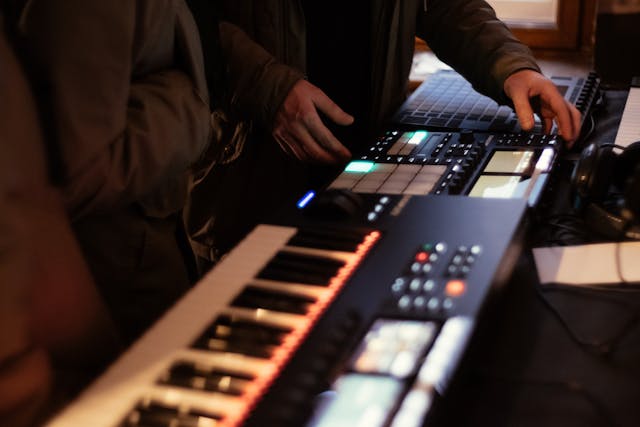
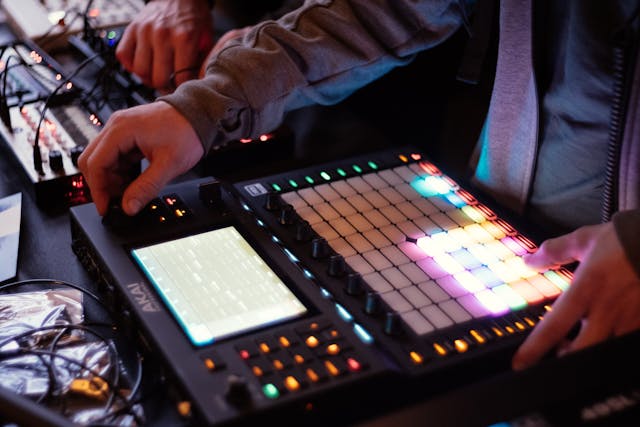
Choosing the right MIDI controller and software is crucial for unleashing your creativity. Start by considering what type of music you want to create. Different controllers cater to various genres, so it’s essential to match your gear with your style. Look for a controller that feels comfortable in your hands. Some prefer weighted keys, while others lean towards synth-action models. Pads and knobs can also enhance your workflow, especially if you’re into beat-making or sound design. When it comes to software, think about ease of use and compatibility with your operating system.
Utilizing Pre-made MIDI Chord Packs
Pre-made MIDI chord packs can be a game changer for music producers. They offer an easy way to access a variety of chords without starting from scratch. These packs often cover different genres, helping you find the right sound quickly. Whether looking for lush jazz chords or punchy pop progressions, there’s likely a pack tailored to your needs. Using these pre-made options can speed up your workflow significantly. Drag and drop them into your DAW and start building your tracks immediately. You can also use them as a foundation. Experiment by tweaking notes or changing their order to create something uniquely yours. Don’t forget that layering multiple MIDI chord packs can yield interesting results too! Mixing elements from various styles allows for creative exploration and unexpected harmonies in your compositions.
Creating Your MIDI Chords
Creating your MIDI chords can be a rewarding experience. It allows you to infuse your personality into the music. Start with basic triads. Familiarize yourself with major and minor chords first. They form the foundation of countless tracks across genres. Once you’re comfortable, experiment by adding notes. Try seventh or ninth chords for richer textures. These variations can evoke different emotions and create intrigue in your compositions. Don’t shy away from unconventional voicings either. Playing around with inversions can yield surprising results that keep listeners engaged. Consider layering different chord progressions as well. This technique adds depth, making each section of your song feel distinct but cohesive at the same time. Always trust your ear during this process. If it sounds good to you, it’s likely going to resonate with others too.
Tips for Incorporating MIDI Chords Into Your Music
MIDI chords can transform your musical compositions in exciting ways. First, experiment with different voicings. Altering the positions of notes within a chord can create fresh textures and emotions. Layering is another powerful technique. Combine multiple MIDI tracks, each featuring different instruments playing the same chords. This adds depth and richness to your sound. Don’t shy away from modulation either—transition between keys using MIDI to keep listeners engaged throughout your track. Additionally, consider rhythm variations when implementing chords. Playing around with note lengths or adding syncopation can breathe life into seemingly simple progressions. Be intentional about dynamics and expression. Use velocity changes in your MIDI data to evoke feelings within the listener’s experience as they hear your music unfold.
Conclusion
MIDI has revolutionized the way we create music. By understanding and implementing MIDI chords, you can elevate your compositions to new heights. Experimenting with different techniques brings excitement to your workflow. As you incorporate MIDI chords into various genres and styles, you’ll find that they add depth and texture to your tracks. Don’t hesitate to explore all the possibilities that MIDI offers—it’s a tool that can truly transform how you express yourself musically.


 Lastly, you’ll need to consider the shooting theme and location. Will the photo shoot be outdoors or indoors? What kind of setting do you want? These are all critical factors to keep in mind when choosing a photographer. Some photographers are skilled outdoor shooters, while others excel at indoor photography. Make sure you choose someone who can capture the type of images you’re looking for.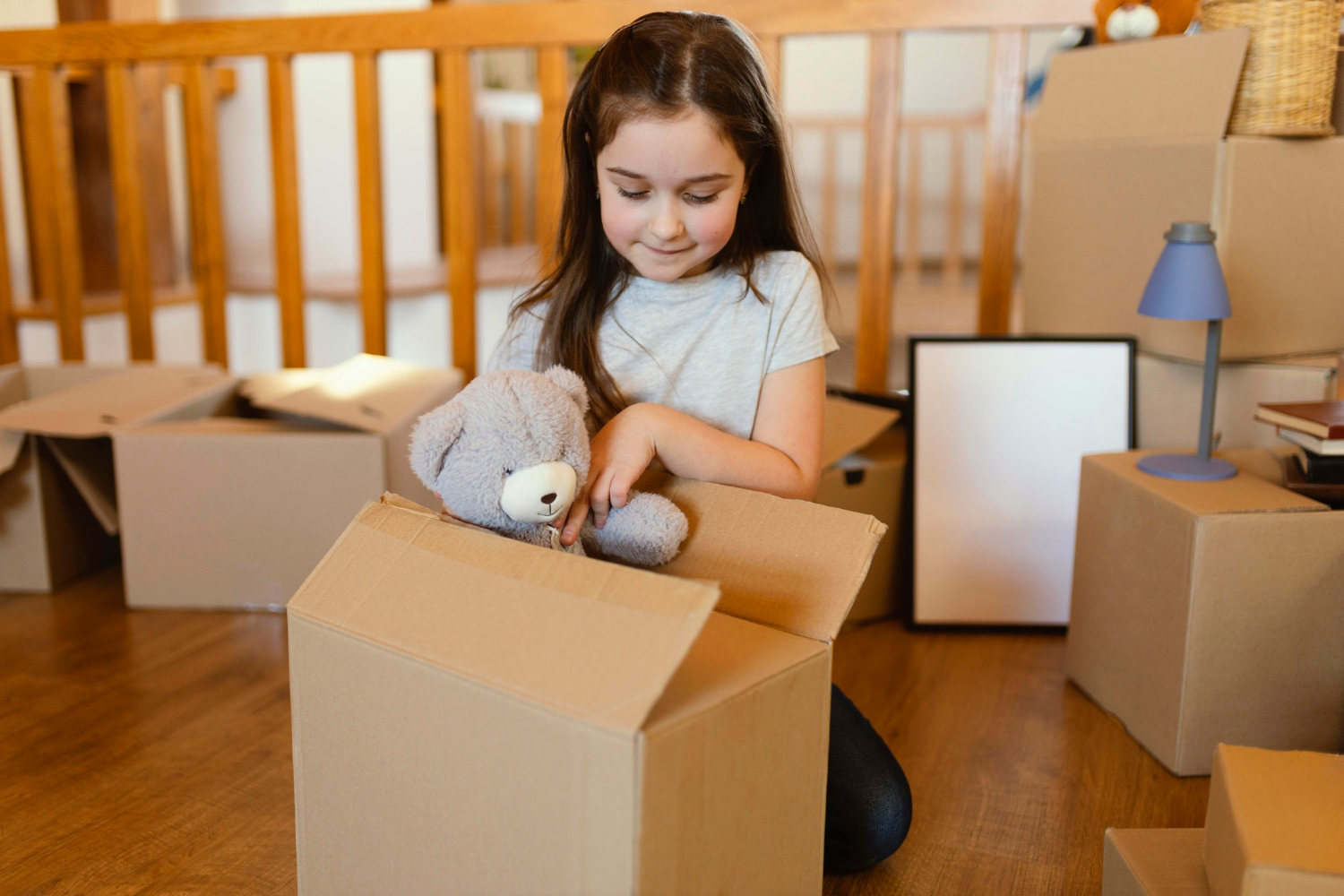
 Before packing begins, talk to your kids about what’s happening. Let them know their toys will be packed but not gone. Children often fear their belongings might disappear, so communication is key. Explain how each item will be placed carefully in boxes and then unpacked in their new room. This conversation builds trust and helps them feel included in the process. It also makes packing smoother because they understand why certain toys might need to be put away temporarily.
 Once everything is unpacked, use the opportunity to establish a new toy organization system. Create dedicated areas for play and storage in the new home. Clear bins, shelves, or toy chests make it easy for kids to find what they want and put things away. Maintaining order helps prevent future clutter and teaches children the importance of taking care of their possessions. A well-organized play space brings structure and peace to your new environment.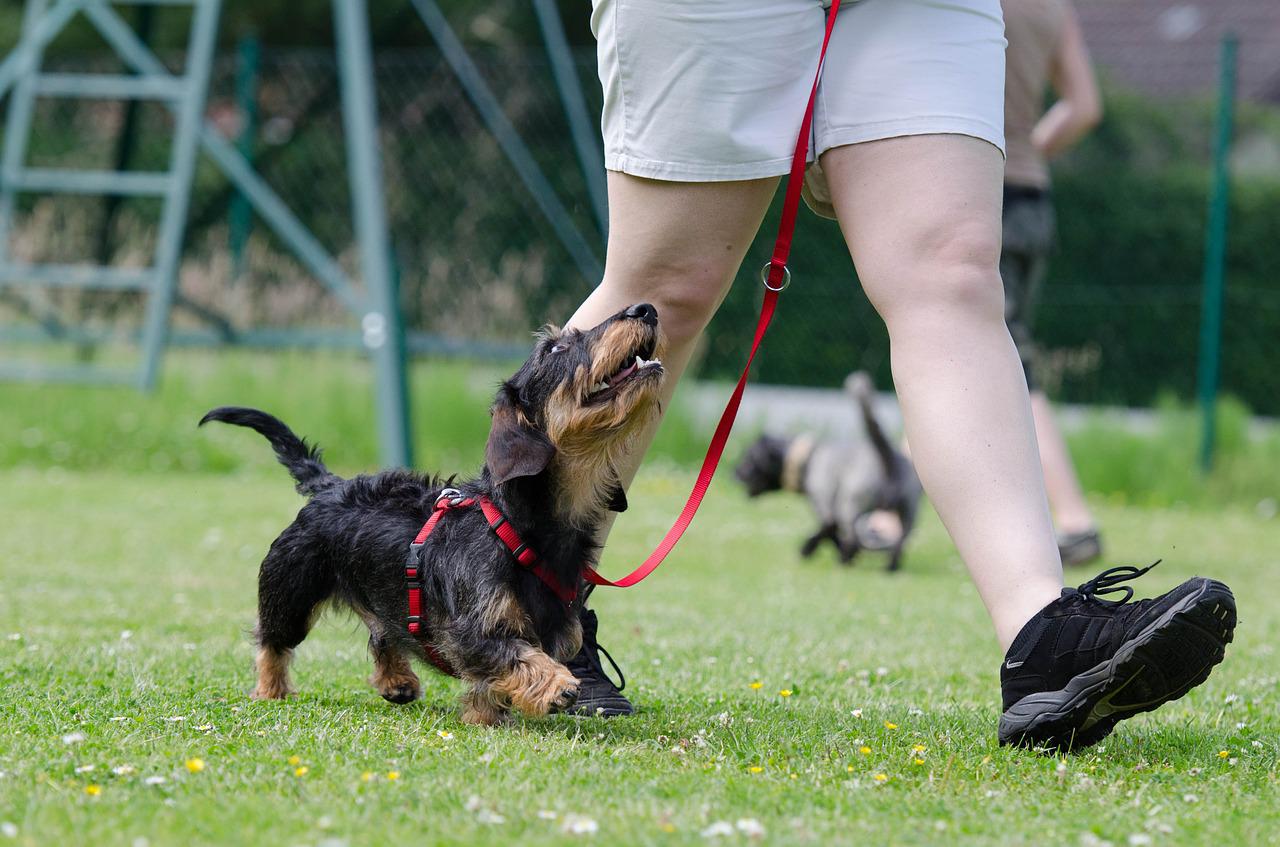
 The very first thing to do when getting started with dog agility training is to make sure your dog holds a sound basis of obedience commands. It will help you tremendously when it comes time to start working on agility obstacles. Without a strong foundation, your dog may have difficulty understanding what you want them to do on an obstacle course. Start with simple commands such as to stay, sit, come, and down. Once your dog understands these commands, you can begin teaching them more complicated agility obstacles.
 Suppose you want to give your dog the best chance of becoming a successful agility dog. In that case, you should take advantage of the latest technology. Many dog training apps on the market can help you with this. One such app is SpiritDog. SpiritDog offers a variety of features that make dog agility training more straightforward and fun for you and your dog. With this app, you can track your dog’s progress, set up training sessions, and get tips from professional dog trainers.
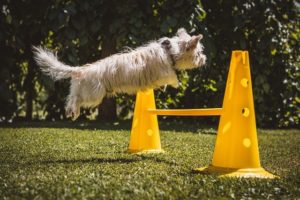 It’s more than just a cherry on top. Sequencing is another crucial part of dog agility training. It helps your dog understand how to put all the obstacles together in the right order. Without sequencing, your dog may have difficulty completing an agility course. To get started with sequencing, you can try putting together a simple system in your backyard. Once your dog has mastered this, you can begin working on more challenging courses. Dog agility training is a great way to bond with your dog while giving them the necessary exercise. With these tips, you’ll be well on getting started with dog agility training.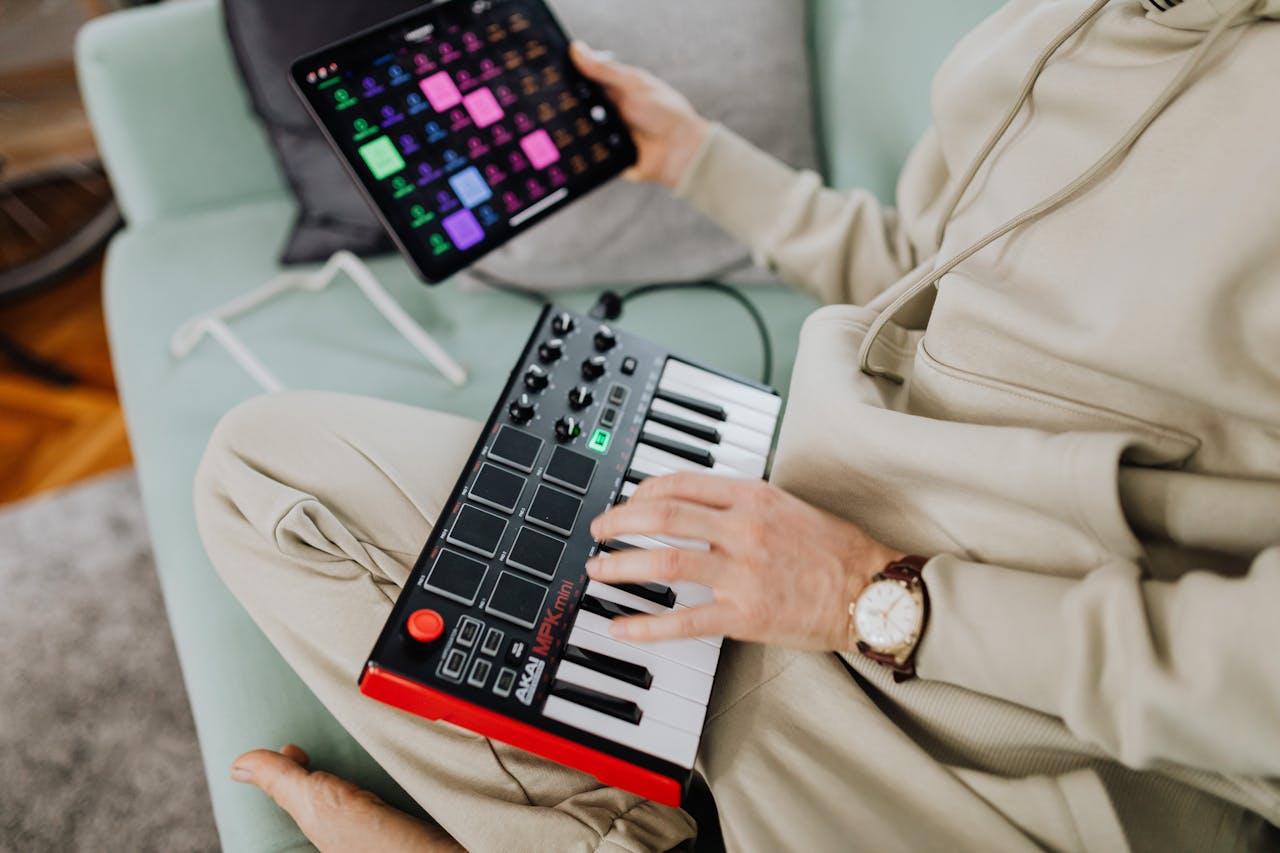
 Choosing the right MIDI controller and software is crucial for unleashing your creativity. Start by considering what type of music you want to create. Different controllers cater to various genres, so it’s essential to match your gear with your style. Look for a controller that feels comfortable in your hands. Some prefer weighted keys, while others lean towards synth-action models. Pads and knobs can also enhance your workflow, especially if you’re into beat-making or sound design. When it comes to software, think about ease of use and compatibility with your operating system.