
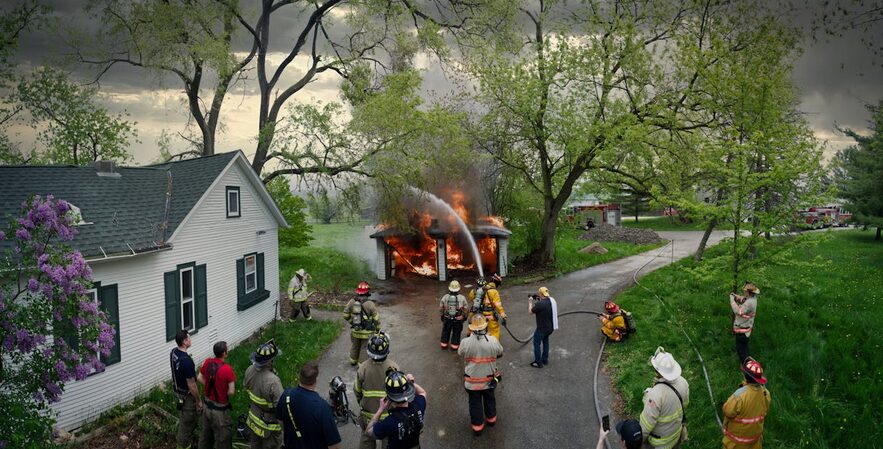
Experiencing a fire in your home can feel like stepping into a nightmare. The aftermath is often chaotic and overwhelming, leaving you with tough choices to make about the future of your property. Do you pour time and money into repairs or take the simpler route of selling it as-is? Each path has its unique challenges and rewards, making the decision anything but straightforward.
The Importance of Assessing the Damage
After a fire, assessing the damage is crucial. It helps you understand the extent of destruction to your home. Start by looking beyond what’s visible. Smoke can infiltrate walls and insulation, causing hidden hazards. Evaluate structural integrity as well; warped beams or compromised foundations may pose serious risks. Documentation is essential for insurance claims. Take photos and notes of everything affected. This evidence will support your case when dealing with adjusters. Consider hiring professionals for a thorough inspection. Experts can identify issues that might go unnoticed by an untrained eye.
Pros and Cons of Repairing Your Fire-Damaged Home
Repairing a fire-damaged home can offer several benefits. First, it allows you to restore your living space to its former glory. A well-executed repair can enhance the property’s value and curb appeal. However, repairs often come with significant costs. Depending on the extent of the damage, expenses for labor and materials can quickly add up. This financial burden may not always be feasible.
Pros and Cons of Selling Your Fire-Damaged Home As-Is
Selling your fire-damaged home as-is can seem tempting. One major advantage is the speed of the process. You can list it quickly without investing time and money in repairs. Buyers looking for fixer-uppers may also see potential, allowing you to move on sooner rather than later. This option often means fewer headaches related to renovation decisions and contractor management. On the flip side, selling as-is could limit your financial return. Many buyers will expect substantial discounts due to the damage.
Factors to Consider Before Making a Decision
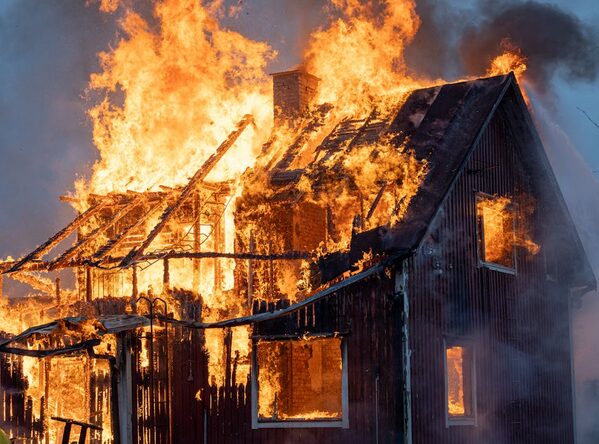
Before making a decision on your fire-damaged home, it’s essential to take several key factors into account. First, owners need to know how to sell a house with fire damage after evaluating the extent of the damage. Are structural elements affected? What about electrical systems or plumbing? This assessment will guide your next steps. Consider your emotional attachment to the property. Sentimental value can cloud judgment and affect financial decisions. Next, think about your finances. Do you have enough resources for repairs, or would selling as-is be more feasible? Market conditions also play a crucial role. Research local real estate trends to determine if selling now is advantageous.
How to Decide What’s Best for You and Your Home
Deciding what’s best for your fire-damaged home can feel overwhelming. Start by reflecting on your emotional connection to the property. Is it a place filled with memories, or is it more of an investment? Next, assess your financial situation. Do you have the funds to cover repairs? Consider getting estimates from contractors for a clearer picture of potential costs. Think about time and effort as well. Are you willing to oversee repairs? If not, selling might be easier.
Navigating the aftermath of a fire involves more than just emotional recovery. Dealing with insurance companies can be daunting. It’s crucial to document everything photos, receipts, and repair estimates. When filing your claim, provide detailed accounts of the damage. Communicate consistently but remain patient; these processes often take time. Keep notes on conversations and correspondence for reference later.
Tips for Moving Forward After a Fire Disaster
After a fire disaster, finding your footing can feel overwhelming. Start by prioritizing safety. Ensure that the area is secure before you enter or begin any cleanup. Create a detailed inventory of damaged belongings. This will be crucial for insurance purposes and help you decide what to keep or discard. Connect with local support groups or organizations specializing in disaster recovery. They can provide resources, emotional support, and practical advice tailored to your situation.
Deciding whether to repair or sell your fire-damaged home is a significant choice that requires careful thought. Every situation is unique, and the best course of action often hinges on various factors. Assess the extent of damage thoroughly and consider personal circumstances, financial implications, and emotional attachments. Whether you lean towards repairing or selling as-is, it’s essential to gather all relevant information. Engage with professionals who can help evaluate costs versus potential returns. Take stock of what truly matters: your safety, peace of mind, and long-term well-being.…

 You have many options available to you that you may not have with other materials. For example, you could create another room in the roof, which would be warm, safe, comfortable and extremely livable. The options for transforming your home are incredible.