
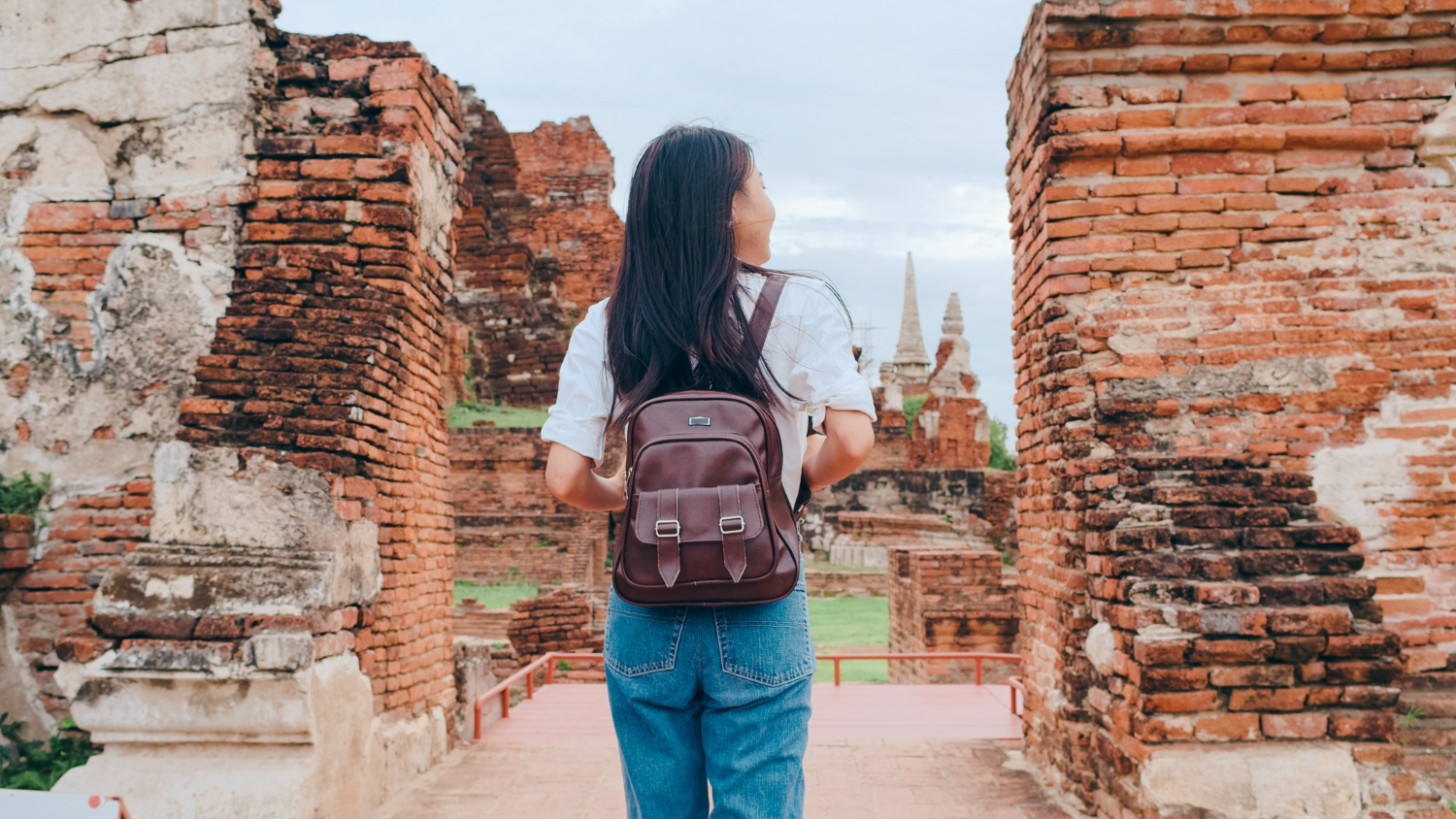
For decades, travel was defined by famous landmarks. The Eiffel Tower, the Colosseum, and Times Square were must-see stops on almost every itinerary. But something is changing. Increasingly, travelers are skipping the big-name attractions and heading instead toward small, lesser-known towns that rarely appear on traditional travel lists. This shift isn’t about avoiding iconic places entirely, but about wanting something different from the modern travel experience. Crowds, long queues, inflated prices, and over-commercialization have made many famous destinations feel less personal. In response, travelers are searching for places that feel slower, quieter, and more authentic.
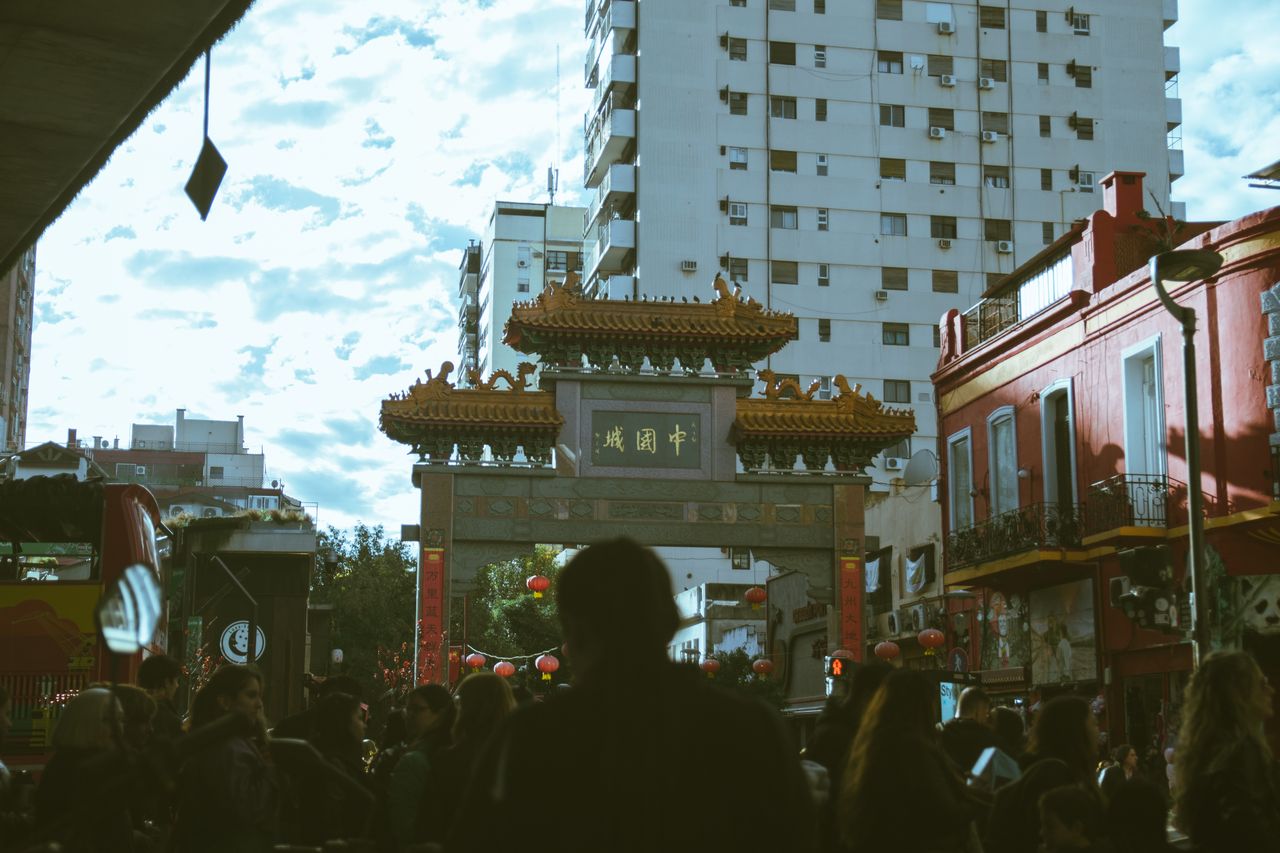
The Internet Made Famous Places Too Crowded
Social media and travel blogs have made it easier than ever to discover the world’s most beautiful landmarks. The problem is that everyone else discovered them too. What once felt like hidden gems are now global hotspots filled with tourists taking the same photos from the same angles. Many travelers exploring alternative travel narratives often describe a similar frustration: the experience of visiting a famous landmark no longer matches the feeling they expected. Instead of wonder and space, they find crowds and queues. This has pushed people to look beyond the obvious choices.
Tiny Towns Offer Something More Personal
Small towns provide something big cities and famous landmarks often struggle to deliver: a sense of connection. In smaller destinations, visitors are more likely to interact with locals, explore at a slower pace, and feel part of everyday life rather than just passing through. There’s also more room for spontaneity. Instead of following strict sightseeing routes, travelers can wander without pressure. A quiet street café or a local market often becomes more memorable than any major monument.
Over-Tourism Is Changing Travel Behavior
Over-tourism has become a major problem in many of the world’s most iconic places. Cities like Venice, Barcelona, and parts of Paris have struggled with overcrowding, rising prices, and strain on local infrastructure. This has not only affected residents but also changed the visitor experience itself. As a result, many travelers are intentionally avoiding places that feel overwhelmed by tourism. Instead, they’re choosing destinations where tourism is still developing or where visitors are few enough to explore comfortably. This shift is helping spread tourism more evenly and reduce pressure on overvisited areas.
Slow Travel Is Replacing Checklist Tourism
The traditional style of travel often involved rushing between famous attractions to “see everything.” But that approach is losing popularity. Travelers are realizing that ticking off landmarks doesn’t always create lasting memories. Slow travel encourages spending more time in fewer places. In small towns, this approach works naturally. Instead of rushing, travelers might stay longer, get to know the area, and experience daily rhythms rather than just highlights. This slower pace creates a deeper emotional connection to the destination.

Social Media Fatigue Is Real
For years, travel decisions were heavily influenced by Instagram and TikTok. Certain landmarks became famous not because of personal experience but because of viral images. Now, many travelers are becoming more aware of how repetitive those images feel. People are starting to question whether visiting a place just for a photo is meaningful anymore. Tiny towns offer something social media cannot fully capture: unpredictability. Not every moment is designed to be shared online, which often makes the experience feel more genuine and less performative.
Hidden Destinations Feel More Authentic
One of the strongest reasons people are drawn to unknown towns is the feeling of authenticity. While famous landmarks are often built around tourism, smaller towns still function primarily for residents. That means visitors see everyday life rather than a curated version. Local traditions, regional food, and community events feel more accessible in these environments. Travelers often describe these experiences as more memorable because they feel less staged and more real. Even simple moments, like watching daily routines unfold, can become highlights of the trip.
The Desire for Unique Experiences Is Growing
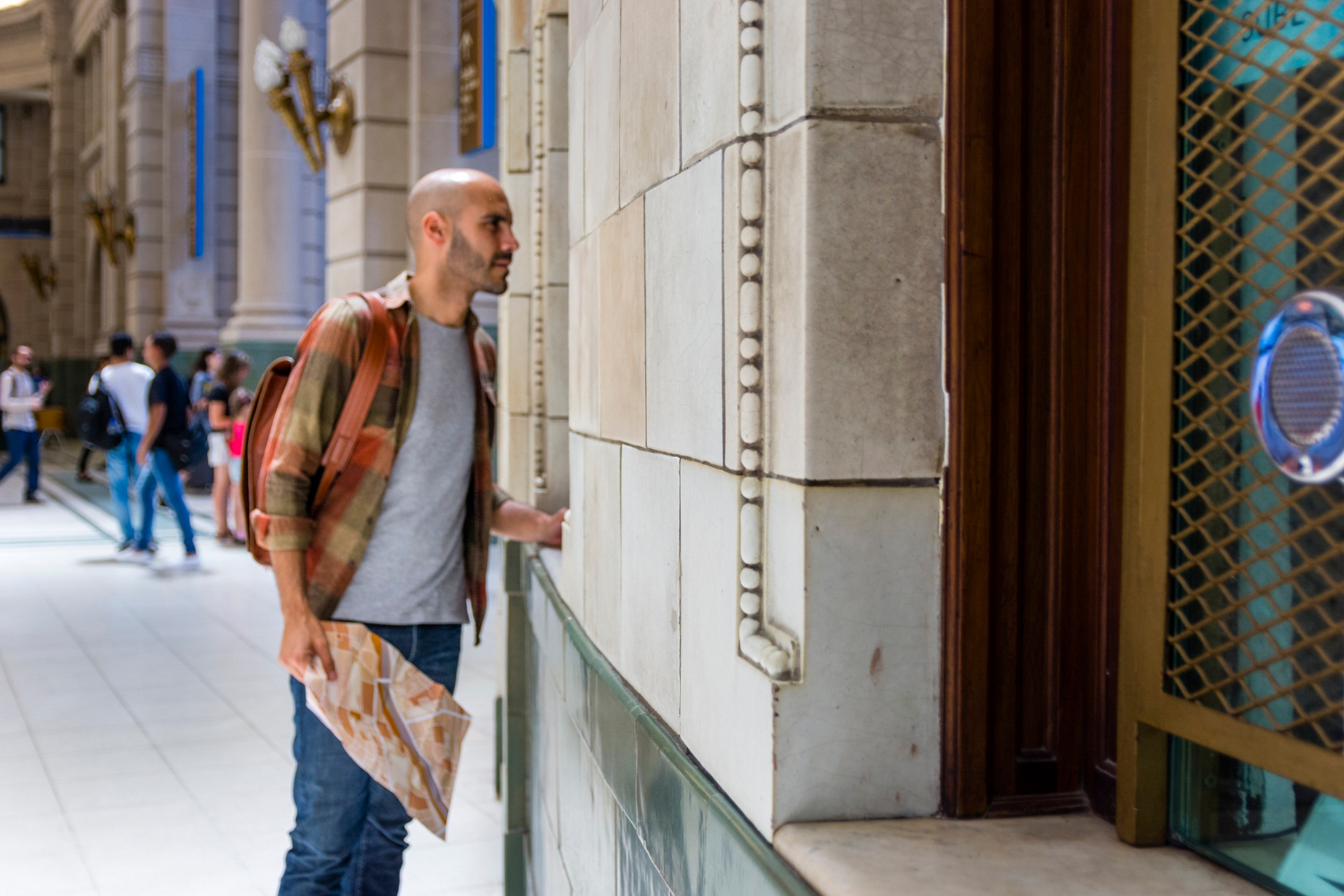
Modern travelers increasingly want experiences that feel personal and unique. Visiting the same landmarks as millions of others no longer feels as meaningful as discovering a place that few people talk about. Tiny towns offer that sense of discovery. Every street, interaction, and local recommendation feels like something new. This creates a sense of exploration that is harder to find in heavily documented tourist hotspots.
The shift away from famous landmarks toward small, unknown towns reflects a broader change in how people think about travel. Instead of focusing on checking off iconic sights, travelers are prioritizing authenticity, connection, and slower experiences. While famous destinations will always have their place, they are no longer the only goal. For many people, the real magic of travel now lies in the quiet corners of the world where life feels less staged and more real.