
Five years ago, everyone was obsessed with Sandton. Now the conversation has shifted. Companies scouting office space are realizing the energy here hits differently. It feels sharp, modern, and connected without the corporate stiffness. Businesses want momentum, not marble floors and silence. Rosebank has quietly built a reputation. It mixes commercial strength with urban culture. That blend is powerful. Let’s unpack why decision makers are paying attention.
Location That Actually Works

Rosebank sits along the Gautrain route. That alone changes commuting math. Staff from different parts of Johannesburg can arrive without daily gridlock battles. Road access is solid, too. Oxford Road and surrounding arteries keep traffic moving most days. Predictable commute times improve morale. Walkability adds another layer. Restaurants, gyms, and retail sit steps away from major buildings. Teams appreciate convenience during long workdays. Clients also benefit. Visiting your office feels easy, not like a logistical puzzle.
A Business Environment With Personality
Rosebank balances corporate presence with creative energy. You see financial firms sharing streets with tech startups and agencies. That diversity fuels collaboration. The vibe feels progressive. Glass buildings rise next to art galleries and cafés. It signals that business here is forward-thinking. This atmosphere attracts younger talent. Graduates and mid-level professionals prefer dynamic districts. A location that feels current helps recruitment. Culture matters in hiring. An address can influence perception before interviews even start.
Modern Buildings, Smarter Layouts
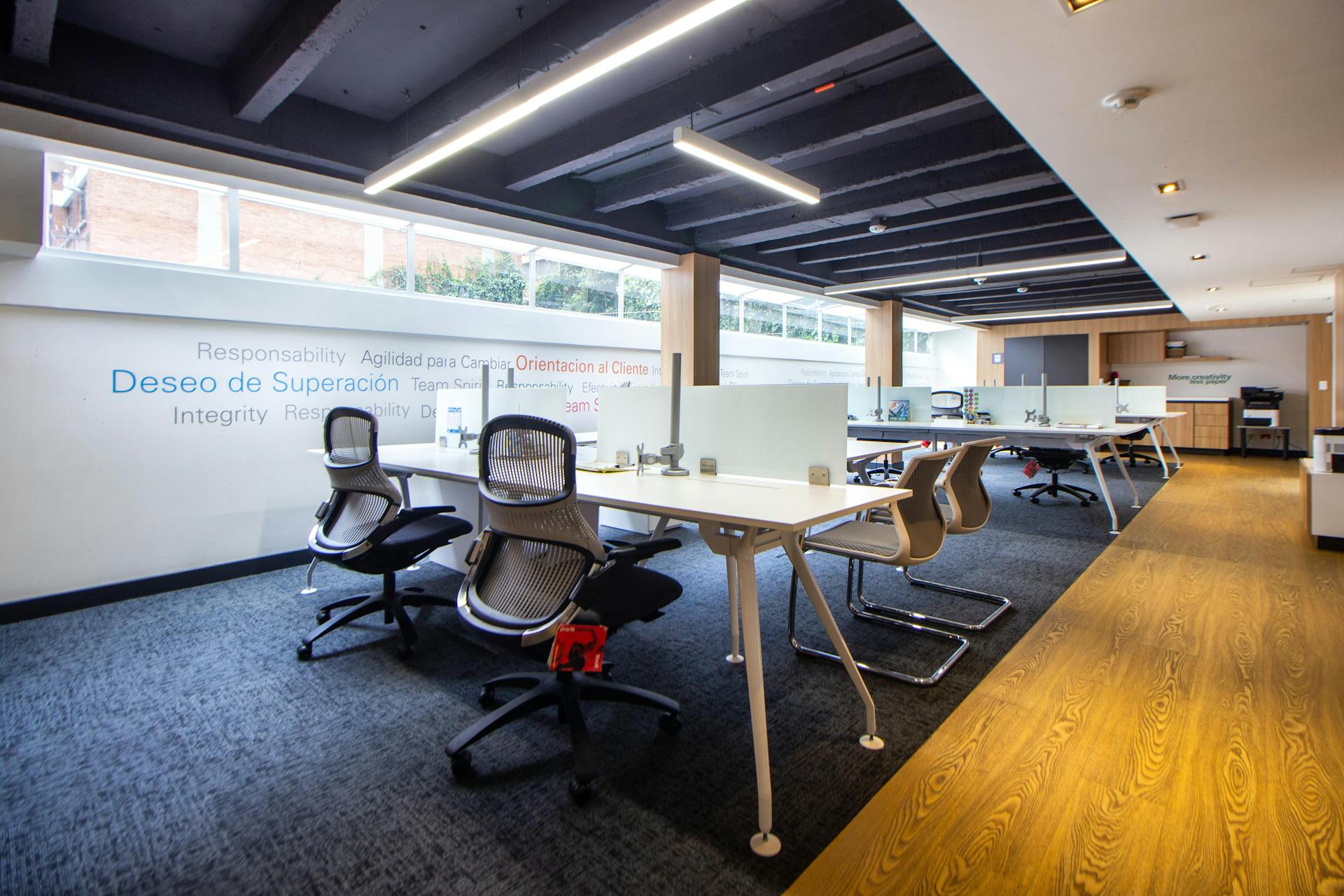
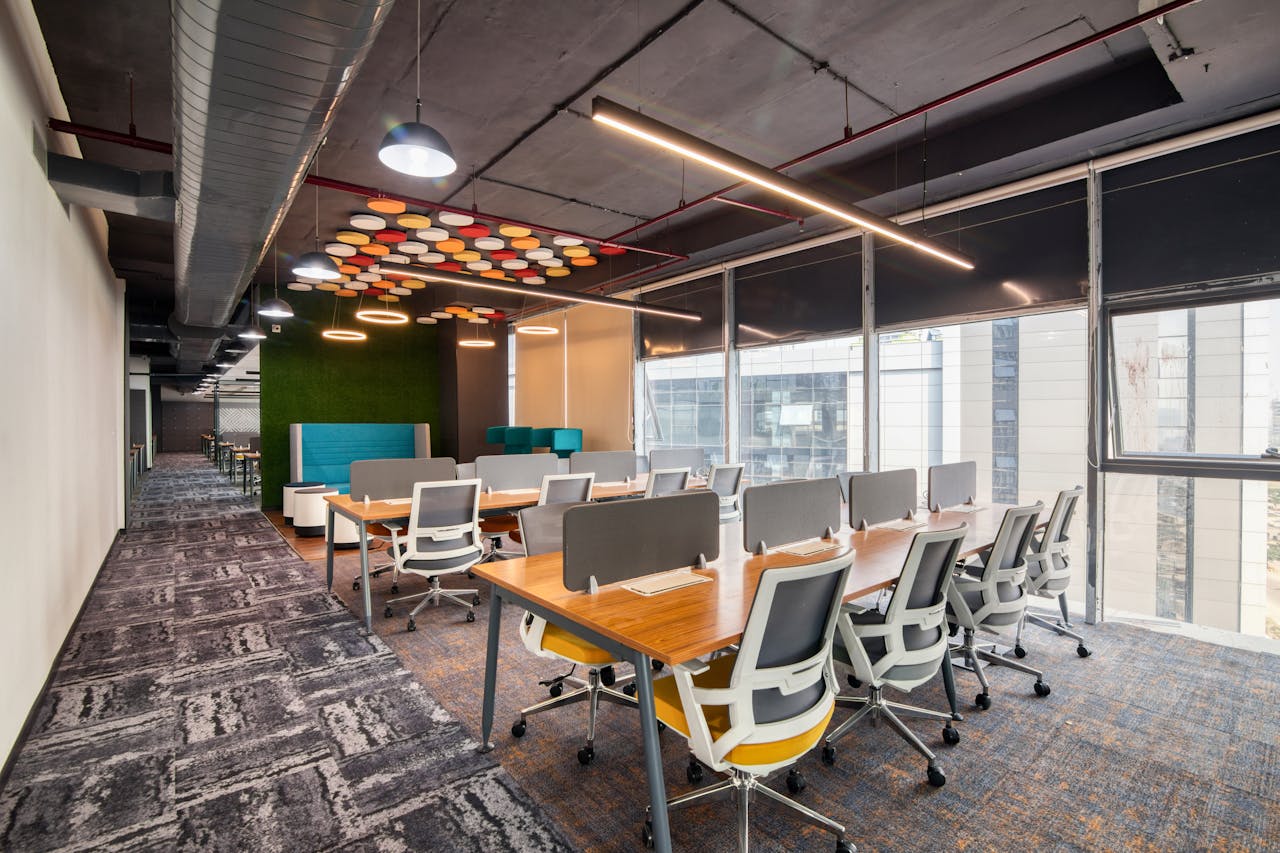
Many Rosebank offices are newer developments. That means updated infrastructure. Backup power solutions are common, which is critical. Floor plates often allow flexible configurations. Companies can design open collaboration zones and private meeting areas easily. Adaptability supports growth. Natural light is another advantage. Large windows and smart architecture reduce the boxed-in feeling that older buildings create. People work better in bright environments. When evaluating options, platforms that specialize in commercial listings, like Currie Group’s Rosebank portfolio, make comparison simpler.
Cost Versus Value Equation
Rental rates in Rosebank can compete strongly with other premium nodes. Yet the perceived value feels higher. Businesses gain prestige without excessive overhead. Operating costs still need scrutiny. Review service charges, utilities, and parking fees carefully. A good deal is about the full picture, not the headline price. Shorter lease flexibility is often available in certain developments. That agility appeals to scaling companies. You are not locked into rigid structures. Smart negotiation plays a role. Work with professionals who understand landlord expectations and tenant incentives.
Community and Networking Advantage
Rosebank hosts regular business events and networking opportunities. Proximity increases participation. Spontaneous meetings happen more often. Co-working spaces and innovation hubs are nearby. This fosters cross-industry interaction. Partnerships can start over coffee. There is also a safety perception boost. Visible security and active streets create comfort for staff leaving late. That matters for retention. In short, Rosebank blends accessibility, modern infrastructure, and cultural energy. Companies relocating here are positioning themselves for relevance and growth. If your current office feels stale or disconnected, it might be time to rethink your map pin.