
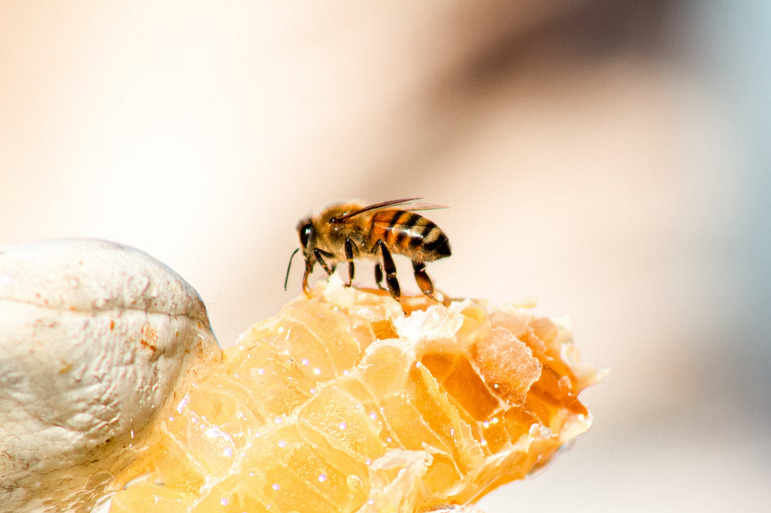
These amazing little creatures play a vital role in pollinating plants and producing delicious honey. But, like any other living organism, they’re not always immune to various ailments that can easily threaten their health and ruin their productivity.
But fear not! With the right knowledge and preventative measures in place, you can create a thriving hive that remains resilient against potential threats. From understanding common bee diseases to implementing integrated pest management strategies, proactive veterinary care, and biosecurity measures – we’ve got you covered.
Understanding Common Bee Diseases
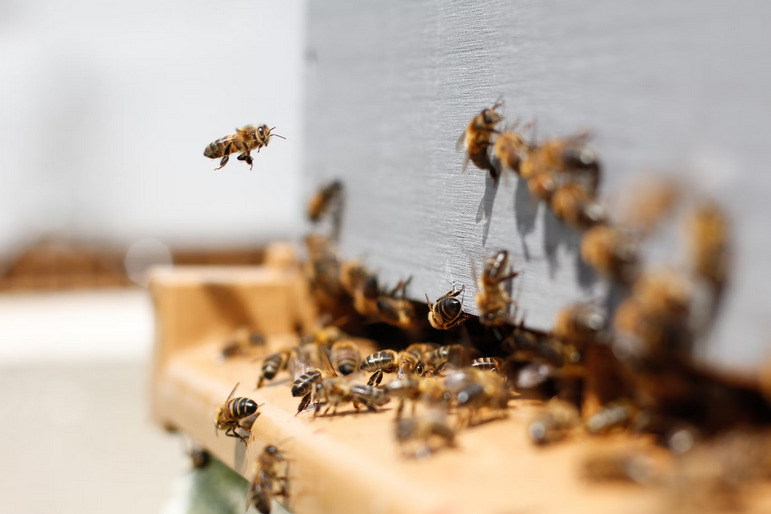
Any honey bee species can face various ailments that can weaken or even decimate their colonies if left unchecked. One of the most well-known bee diseases is the American Foulbrood (AFB), which is caused by a spore-forming bacterium that affects larvae. It’s highly contagious and can spread rapidly throughout the hive, leading to fatal consequences if not treated promptly. Another prevalent disease is Varroosis, caused by parasitic mites known as Varroa destructor. These mites feed on the bees’ hemolymph, weakening them and making them more susceptible to other infections. However, spraying Varroxal ad us. vet. can really help tackle this issue.
Integrated Pest Management Strategies
Integrated Pest Management (IPM) strategies are essential for maintaining the health and well-being of your honey bee farm. By implementing a holistic approach to pest control, you can minimize the use of harmful chemicals while effectively managing pests that may threaten your hive. One key aspect of IPM is regular monitoring. By regularly inspecting your hives, you can identify any signs of pest infestation early on and take appropriate action. Look out for indicators such as abnormal behavior in bees, unusual brood patterns, or visible damage to comb or frames.
Maintaining a diverse floral landscape around your apiary is also crucial for pest management. Planting a variety of flowers will attract beneficial insects like ladybugs or lacewings that prey on common pests like aphids or whiteflies. Additionally, providing adequate water sources will discourage bees from seeking out potentially contaminated water elsewhere.
Proactive Veterinary Care
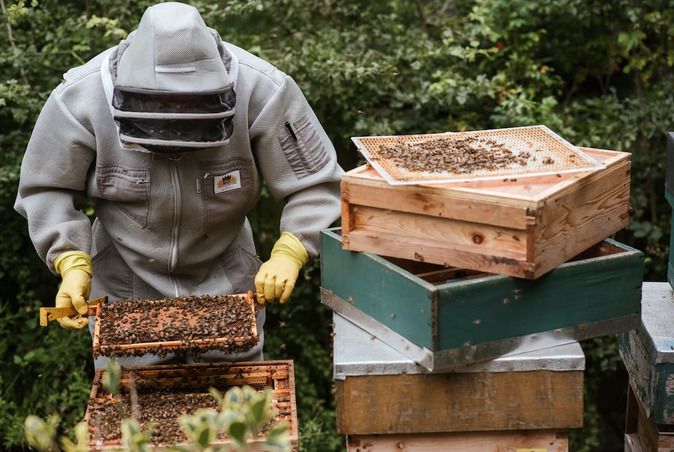
Just like any other livestock, bees can also face various health issues that require professional attention. By implementing proactive veterinary care practices, you can prevent diseases and ensure the longevity of your hive. Regular check-ups with a qualified veterinarian who specializes in bee health are essential. These experts have the knowledge and experience to identify potential problems before they become major issues. They can conduct thorough examinations, monitor for signs of disease or parasites, and provide appropriate treatments if necessary.
Another important aspect of proactive veterinary care is staying up-to-date with vaccinations and preventative measures. Vaccinations help protect your bees against common diseases such as foulbrood and varroa mites. Your veterinarian will advise you on the recommended schedule for these vaccinations based on local conditions.
Biosecurity Measures
Ensuring the health and well-being of your honey bee farm is not just about disease prevention and pest management. It also involves implementing robust biosecurity measures to safeguard your bees from potential threats. These include limiting access to the apiary.
Cleanliness is also paramount when it comes to maintaining a disease-free environment for your bees. Regularly sanitize all equipment used within the apiary, including hives, frames, tools, and protective gear.…